
Mastering Crypto Trading Real-Time Strategies, Tools, and Insights
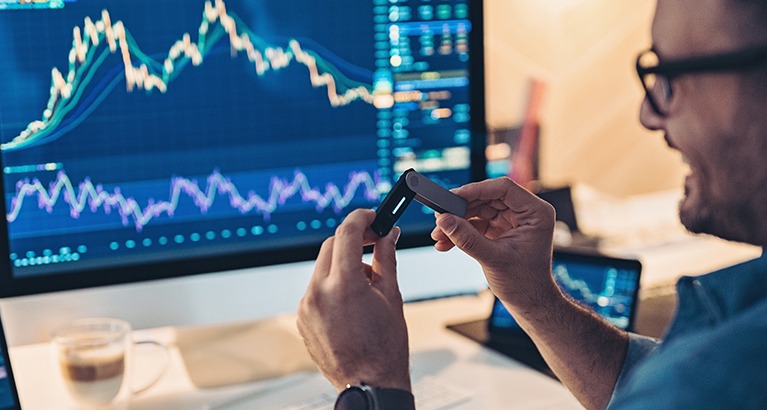
Mastering Crypto Trading Real-Time: Strategies, Tools, and Insights
The world of crypto trading in real-time is both exciting and challenging. Staying updated with instant market changes is crucial for traders who wish to capitalize on potential profits. In this article, we will delve deep into what crypto trading in real-time entails, discuss various tools available, and present strategies to pursue for better trading outcomes. To help enhance your understanding and navigation through this dynamic space, Crypto Trading Real-Time visit website for additional resources.
Understanding Real-Time Crypto Trading
Real-time crypto trading refers to the buying and selling of cryptocurrencies as market conditions change instantaneously. Unlike traditional investing where trades may be executed at a later time or under pre-determined conditions, real-time trading requires active engagement and quick decision-making. Prices can fluctuate significantly within mere seconds, making speed and accuracy of information essential for success.
The Significance of Real-Time Data
In the realm of crypto trading, having access to real-time data can provide a significant edge. Price movements, trading volume, and market sentiment are all data points that need to be monitored closely. Traders rely on several platforms that deliver real-time data feeds, facilitating quick responses to market changes. Some popular sources include:
- Crypto exchanges (e.g., Binance, Coinbase, Kraken)
- Market analysis tools (e.g., CoinGecko, CoinMarketCap)
- Trading platforms (e.g., TradingView, CryptoCompare)
Essential Tools for Real-Time Trading
To engage effectively in real-time crypto trading, traders must equip themselves with the appropriate tools. These tools aid in real-time data analysis, decision making, and execution of trades. Here are some essential tools to consider:
1. Trading Platforms
Trading platforms such as Binance, Bitfinex, and eToro not only facilitate the actual exchange of cryptocurrencies but also provide useful tools for analyzing price trends, order books, and executing trades quickly. Most of these platforms offer mobile apps, ensuring you can remain updated on-the-go.
2. Charting Software
Advanced charting platforms like TradingView offer comprehensive charting tools and technical analysis features. Traders can draw trend lines, add indicators, and compare historical price action in real-time, which aids significantly in strategy development.
3. Alerts and Notifications
Setting up alerts and notifications for price changes, volume spikes, or market news can streamline your trading process. Many trading platforms and third-party apps allow you to set customizable alerts based on your trading strategy.
4. Bots and Algorithmic Trading

For those who wish to automate their trading processes, employing bots or algorithmic trading strategies could be beneficial. Tools like 3Commas and Cryptohopper enable users to create and deploy automated trading strategies based on real-time market data.
Strategies for Real-Time Trading
Once you are equipped with the right tools, the next step involves selecting effective strategies to execute your trades. Here are a few strategies commonly employed in real-time crypto trading:
1. Scalping
Scalping entails making numerous trades throughout the day to profit from small price fluctuations. This method requires both speed and discipline, as traders must be able to react quickly to minor changes within the market. Scalpers often focus on trading pairs with high liquidity.
2. Day Trading
Day trading involves buying and selling cryptocurrencies within the same trading day. Day traders typically analyze charts and market movements throughout the day, striving to close all positions before market closure. This strategy is well-suited for active traders who want to profit from short-term price movements.
3. Swing Trading
Swing trading allows traders to capture short- and medium-term price momentum. Unlike day trading, swing traders hold positions for several days or weeks, banking on larger price changes over a more extended timeframe. This strategy often involves applying technical analysis to identify the right entry and exit points.
4. News-Based Trading
Given the nature of the cryptocurrency market, news can significantly impact prices. Traders who utilize news-based trading stay vigilant on market-relevant news and events, focusing on how they may affect market sentiment and ultimately prices.
Managing Risk in Real-Time Trading
In the world of trading, risk management is crucial. Real-time crypto trading can be volatile, and without proper risk mitigation strategies, traders may incur significant losses. Here are some effective ways to manage risk:
- Stop-Loss Orders: Setting stop-loss orders can automatically close a trade at a certain price point, thereby limiting potential losses.
- Diversification: Spreading your investments across multiple asset classes can reduce risks associated with singular assets.
- Proper Position Sizing: Determining the proportion of your total capital to invest in individual trades can help protect your portfolio from significant declines.
Conclusion
In conclusion, engaging in crypto trading in real-time poses unique opportunities and challenges. Access to timely data, leveraging effective tools, and employing sound trading strategies can contribute significantly to success. As the cryptocurrency landscape continues to evolve, adaptability and continuous learning will remain critical to thriving in this dynamic market. By focusing on the strategies highlighted in this article and developing a robust risk management approach, traders can enhance their potential for profitability while navigating the fast-paced world of crypto trading.